

If you’ve been eating better, working out more, and still not seeing the fat loss results you expected, you’re not alone. The truth is, many people unintentionally engage in daily habits that quietly work against their goals. These habits seem harmless—some even feel healthy—but over time, they can stall your progress and keep fat loss just out of reach. Let’s break down some of the most common fat loss saboteurs and what you can do to shift the momentum back in your favor.
Relying Too Heavily on “Healthy” Packaged Foods
It’s easy to assume that anything labeled “low-fat,” “high-protein,” or “gluten-free” is good for fat loss. But many of these packaged foods are ultra-processed and packed with hidden sugars or excess sodium, which can lead to bloating, cravings, and fat storage. Even if they’re marketed as diet-friendly, these foods often lack the fiber and nutrients your body needs to feel full and function optimally. While these products can occasionally fit into your plan, leaning on whole, minimally processed meals will make a bigger impact. And if you’re looking for non-surgical options for body fat reduction in addition to improving your habits, there are modern solutions worth exploring alongside your lifestyle changes.
Skimping on Protein Throughout the Day
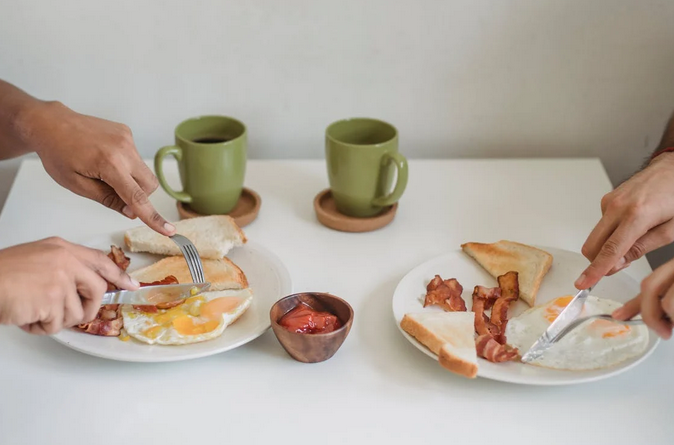
Protein isn’t just for bodybuilders. It plays a huge role in appetite control, muscle maintenance, and metabolism. Many people consume most of their protein at dinner, leaving the rest of the day unbalanced. Without enough protein, especially at breakfast and lunch, you’re more likely to feel hungry, snack on high-carb foods, and lose muscle instead of fat. Distributing your protein intake evenly throughout the day can help stabilize energy levels and keep fat loss on track.
Mindless Snacking Between Meals
You might not think twice about grabbing a handful of nuts or a granola bar between meetings, but those little bites can add up fast. When you’re not tracking or fully aware of what you’re consuming, it’s easy to take in more calories than you need—even from nutritious foods. Snacking when you’re not truly hungry often masks other issues like boredom, stress, or dehydration. Pausing to ask yourself why you’re reaching for food can help break this habit and support your fat loss efforts.
Inconsistent Sleep and Late Nights

Sleep often flies under the radar when it comes to fat loss, but it’s one of the most influential factors. Skimping on sleep throws your hunger hormones out of balance, ramps up cravings, and drains your motivation to move or eat well the next day. Even a couple of late nights per week can cause enough disruption to impact your metabolism. Aiming for consistent, quality sleep not only supports recovery from workouts but also helps regulate appetite and improve decision-making.
Overestimating Calories Burned From Exercise
Finishing a tough workout can feel like a license to indulge a little—but the calories burned during most workouts are often less than we think. That smoothie or post-gym treat can easily cancel out the calorie deficit you created. While exercise is important for overall health and body composition, relying on it alone for fat loss without adjusting your eating habits can lead to frustration. It’s more effective to pair your workouts with mindful eating and honest portion control.
Fat loss isn’t just about what you do in the gym or how many salads you eat—it’s about your daily habits, both big and small. By becoming more aware of these sneaky behaviors and making a few strategic changes, you can break through plateaus and start seeing real progress. Remember, small tweaks often lead to big results over time. Stay consistent, stay curious, and trust the process.